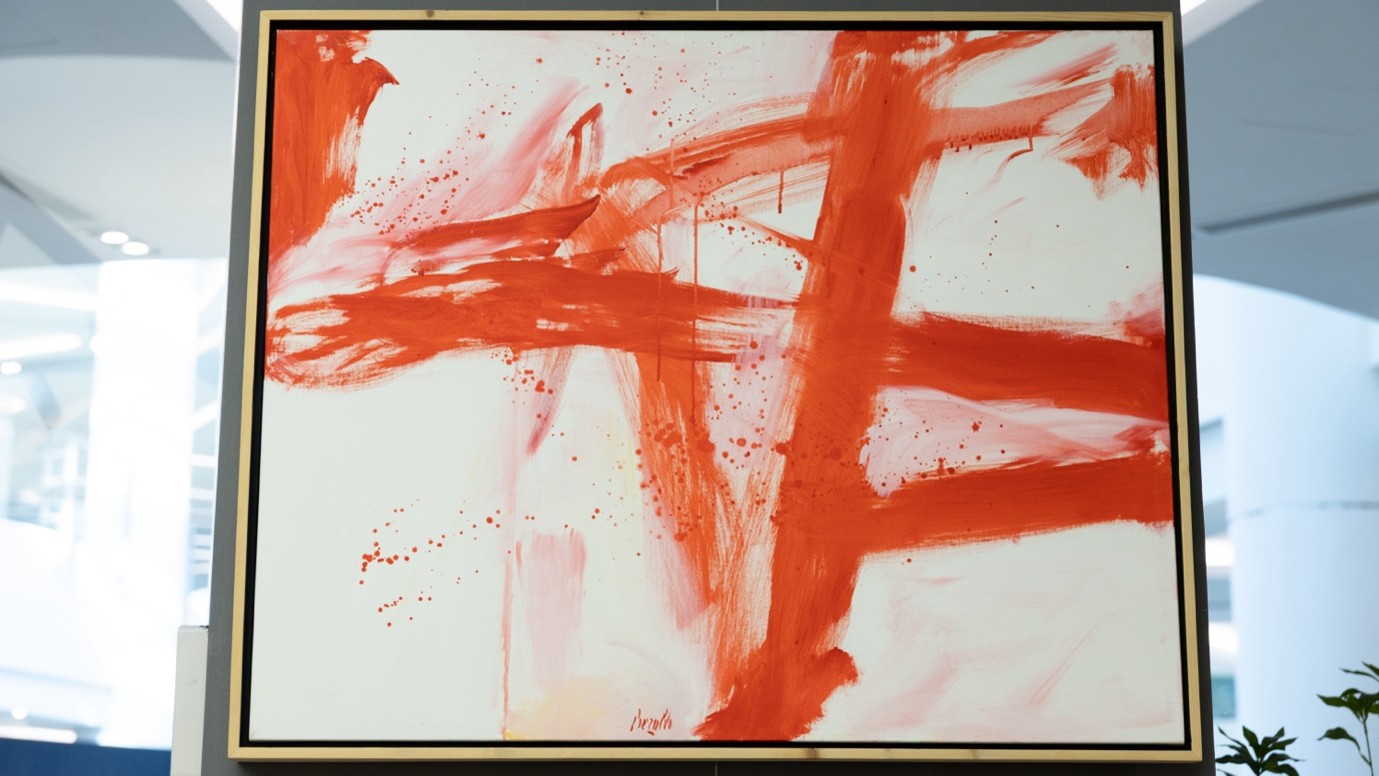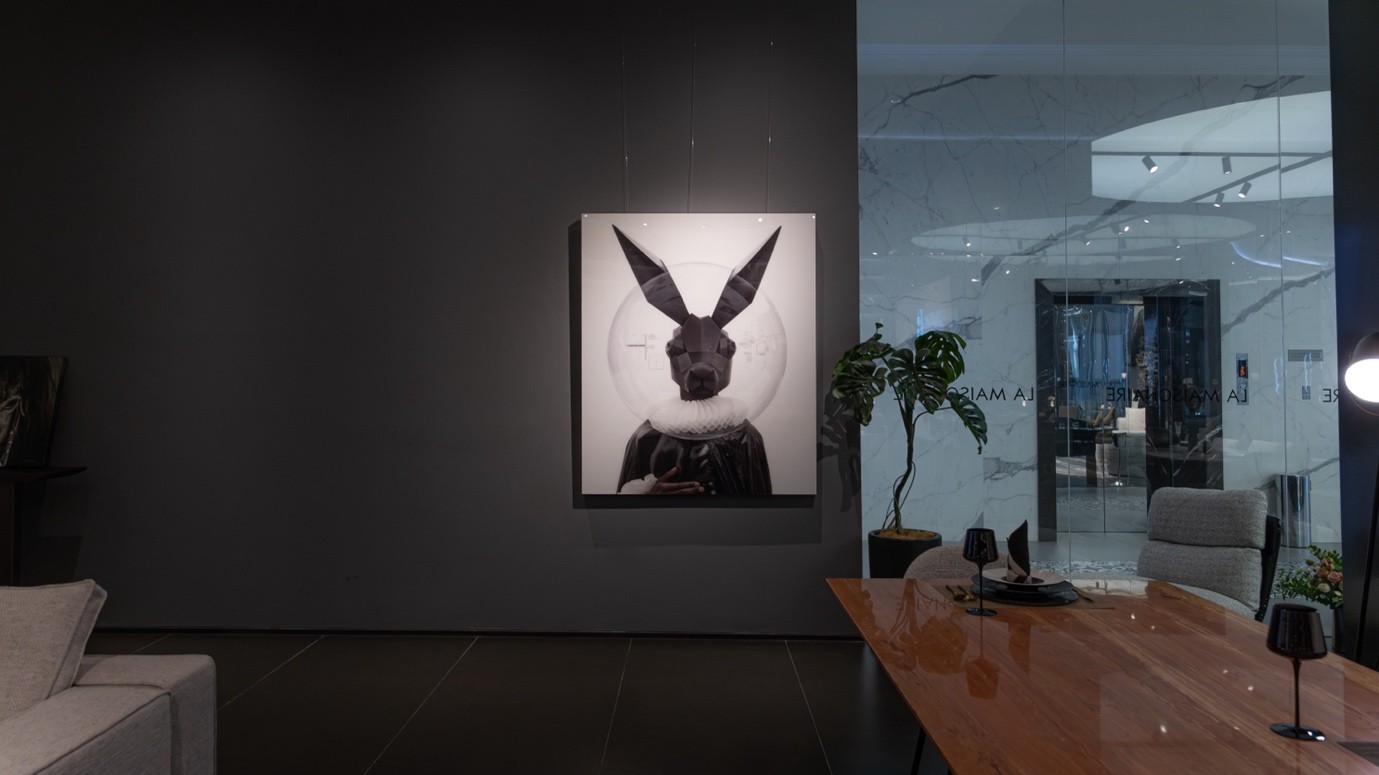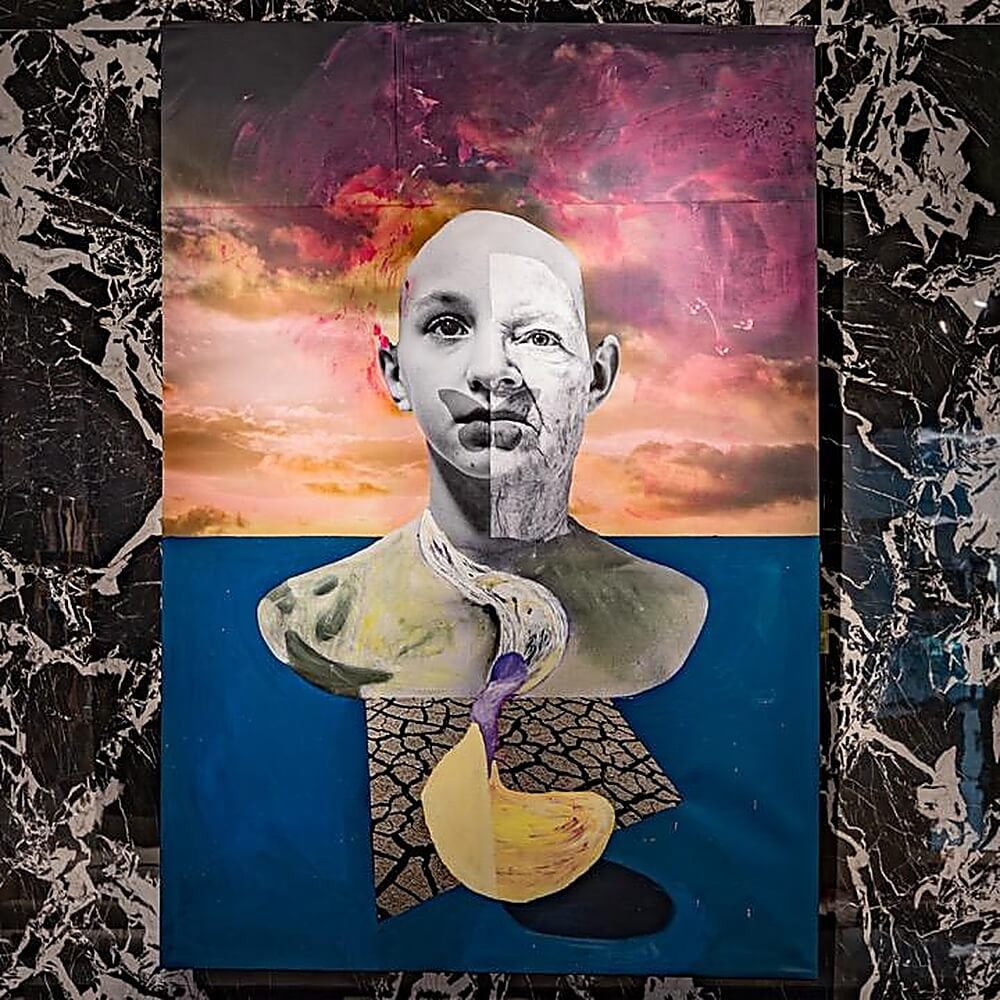
For first-time high-net-worth buyers, the art exhibition is an entry point to the art market. Here, they can blend passion with strategic and research-driven decisions. The curated environment of art galleries provides access to emerging and already established artists.
Buyers can seek guidance from experts at the gallery on how to acquire art pieces that fit their taste, personality, and financial decisions. Exclusivity at the fair, provenance, and quality vs. hype are key strategies that one can employ to develop a curated art collection.
For a more informed and measured approach, observe these key strategies that can help build a strong art portfolio.
Defining the Asset: Modern Artwork vs. Contemporary Artist
By understanding the distinction between these two, buyers can know more about the evolving art scene in Dubai. These terms are sometimes used interchangeably, but they carry different market and art contexts.
Modern Artwork
The modern artwork is stated to have emerged during the late 19th-century. This was a response to cultural, social, technological, and economic changes. Painters reimagine the purpose of their craft after photography emerged. Impressionist art focused on the essence of their subjects, Cubism on form, Surrealism on state of consciousness, and Futurism on movement.
Contemporary Artist
The work of a contemporary artist is more focused on current cultural narratives and emerging art market dynamics. Moreover, contemporary art artists are categorized by various media like street photography, sculpture, abstract expressionism, and performance art.
Artists encourage the viewers and art collectors to open a dialogue about their art and satisfy their hunger for the expressions, patterns, and socio-political concepts depicted in the artwork.
Art collectors usually balance both categories to combine history with the future growth potential, especially in their curated art gallery settings.
Strategic Buying: 5 Steps to Building a Strong Portfolio
1. Do Your Homework Before the Art Exhibition Visit
Preparing ahead of visiting the exhibition often changes the casual viewing into an educational experience. High-net-worth buyers should research the visiting artists, read unique things about their artwork, and see the medium preferences provided at the art gallery.
As a first-time buyer, review the artist’s biography, price history, and past exhibitions. For example, Isabelle Scheltjens (glass portraiture) or Gérard Rancinan (conceptual photography) demonstrate how medium specialization and international exhibition exposure contribute to market differentiation.
These evaluations may help in understanding why certain art pieces get more attention than others. Early homework can assist in making an informed decision about the artwork.
Strategy 2: Buy Quality Over Quantity
Selectivity works rather than collecting a volume of art pieces from an art museum or gallery. High-quality artwork is defined by clear artistic voice, strong techniques, and credible provenance. As a collector, assess the critical factors such as recognition of the art and artists, exhibition history, and consistency in the artists’ work.
Evaluate the curatorial environment of the art gallery when selecting the contemporary artwork to create a coherent and valuable private collection. Observe the artwork of modern artists such as Michele Tombolini, depicted in Butterfly, Emotions, The Seed of the Soul, etc.
This approach helps buyers to allocate resources towards the stronger art institutes and quality artworks, rather than lower-impact art pieces.
Strategy 3: Look for Pieces That Fit Your Lifestyle
Art collections work best when they are aligned with the everyday living environment. As a first-time high-net-worth buyer, notice the color palette, scale, dimension, durability, and placement context of the art piece to evoke an emotional response. It may help in the comfortable integration of artwork in residential and commercial spaces.
For instance, textured mixed media artwork suits the featured walls, while the delicate art pieces on paper need to have controlled interior conditions. It may safeguard the paintings or canvases from the hot and humid climate and UV rays.
Moreover, buyers should select the art compatible with their personality and lifestyle, offering long-term satisfaction. The artwork that harmonizes with the interiors and daily life tends to remain relevant for a long period.
Strategy 4: Build a Relationship with the Gallery
A single art exhibition cannot provide much insight, but a sustained interaction with the gallery professionals can. Speaking with the art gallery experts often assists in understanding how to make the best art choices. Galleries monitor the artist’s progress, any upcoming series, and the art market movements. These are valuable details for art lovers and collectors.
By establishing familiarity with the curatorial teams, buyers can improve their access to artists and the context of their artworks. This relationship with the art gallery provides early awareness of new releases and key exhibitions.
Strategy 5: Protect Your Investment from Day One
Preservation measures like UV glazing and using environmentally friendly frameworks sometimes help in maintaining the physical condition and long-term value of the artwork. Keeping proper documents like a certificate of authenticity and purchase records alongside clarity on provenance.
Moreover, professional installation reduces risk related to handling and environmental exposure. The appropriate insurance coverage can protect against unseen damage or loss. Climatic conditions of the city includes hot and humid climate that can also influence artwork longevity.
Experienced collectors often treat art conservation planning as part of the acquisition process, as they feel early protection steps contribute to creating a sustainable art portfolio over time.
The Resale Reality: Understanding Liquidity and Holding Periods
Unlike financial assets, artworks cannot be bought and sold instantly. There is a time period during which collectors need to hold them before turning them into liquid assets. Here, liquidity refers to reselling the artwork under the right conditions, at the right price, and within a reasonable timeframe.
Moreover, the resale value of a painting or relics depends on demand for the artist’s work, market cycle for the sales of a particular type of artwork, and provenance strength. Choosing the work of consistently exhibited artists or those with institutional visibility showcases a smooth resale pathway.
Therefore, most art collectors view fine art as a long-term asset. A careful market observation, patience, and proper portfolio planning may support favorable resale outcomes.
Art as a Legacy: Tax, Trusts, and Estate Planning
Artwork is considered an important legacy asset that offers momentous financial appreciation over time. Exposure to high-value artwork is gained via the art exhibition, which also includes the financial and legal considerations before procuring any painting or sculpture.
Tax planning matters when acquiring art because it shows how acquisition, resale, import duties, if any, or capital gains often affect the overall profitability. Import duties and capital gain taxes matter when acquiring art from the international market.
Trust structure here includes that buyers strictly buy the artwork for their beneficiaries. This often helps with art being continuously held by the family heirs and transferred under controlled legal conditions. Estate planning focuses on how art pieces are valued, documented, and distributed after a collector’s death.
These measures assist in maintaining provenance clarity, reduce any legal complications, and supporting smoother inter-generational passing of the artworks.
Conclusion
Entering the art market through structured and curatorial art exhibition events supports in acquiring more popular collections. Leading art gallery such as 917 Art Gallery helps buyers evaluate the artists, portfolio strategies, and long-term liquidity and holding periods, etc., to make an informed decision.