Dubai’s cultural landscape can be understood by examining how the best art gallery in Dubai curates, presents, and contextualizes artworks. The curatorial representation is distinct, providing direction and refined presentation standards. This art season reflects the shift towards Middle Eastern heritage, collector-focused services, and technologically designed exhibitions.
Art galleries usually create a balance between regional and international artwork. Observing the art characteristics and features of the art galleries will give an insight into the region’s art ecosystem. Many galleries increasingly provide services to experienced collectors who prioritize documentation, transparency, and long-term value.
Feature 1: The “Wellness-Centric” Gallery Environment
Places like Art Dubai bring together more than 100 contemporary artworks, modern, and digital presentations from 35+ countries in April 2026. The artworks are represented with a framework titled “Future, Past, and Present,” expressed through redesigned art structures.
Several art galleries in Dubai are turning into ‘Wellness-Centric’ spaces, keeping in mind the physical, mental, and emotional well-being of the visitors. The aesthetics prioritize the thermal comfort and circadian rhythm alignment of art connoisseurs. These galleries are moving beyond the historical and traditional models, offering a sensory and restorative experience.
These galleries have a calm spatial flow, acoustic balance, and proper lighting. For more focused viewing, neutral shades, natural materials, and biophilic interiors are used for visual comfort.
Venues like World Art Dubai offer a more thoughtful and sensitive reflection of artworks, keeping in mind the high-net-worth investors. Art galleries, architecture, and internal atmosphere affect art collectors’ confidence and emotional engagement.
Feature 2: High-Growth Investment Expertise
A key characteristic of the best art gallery in Dubai is the structured guidance around art so that it can work as an asset. Art galleries generally present market intelligence, provenance transparency, and artists’ data to help make informed decisions.
The use of an analytical approach reflects the development of art collectors who engage with contemporary artworks, shaping narratives and evolving artistic expressions.
Moreover, authenticity records, documentation, and secondary-market awareness also play a key role when investing in artworks. Dubai’s art galleries are aligning with global art investment practices by maintaining professionalism and assisting with regional art collecting patterns.
Feature 3: Immersive and Sensory Curatorial Themes
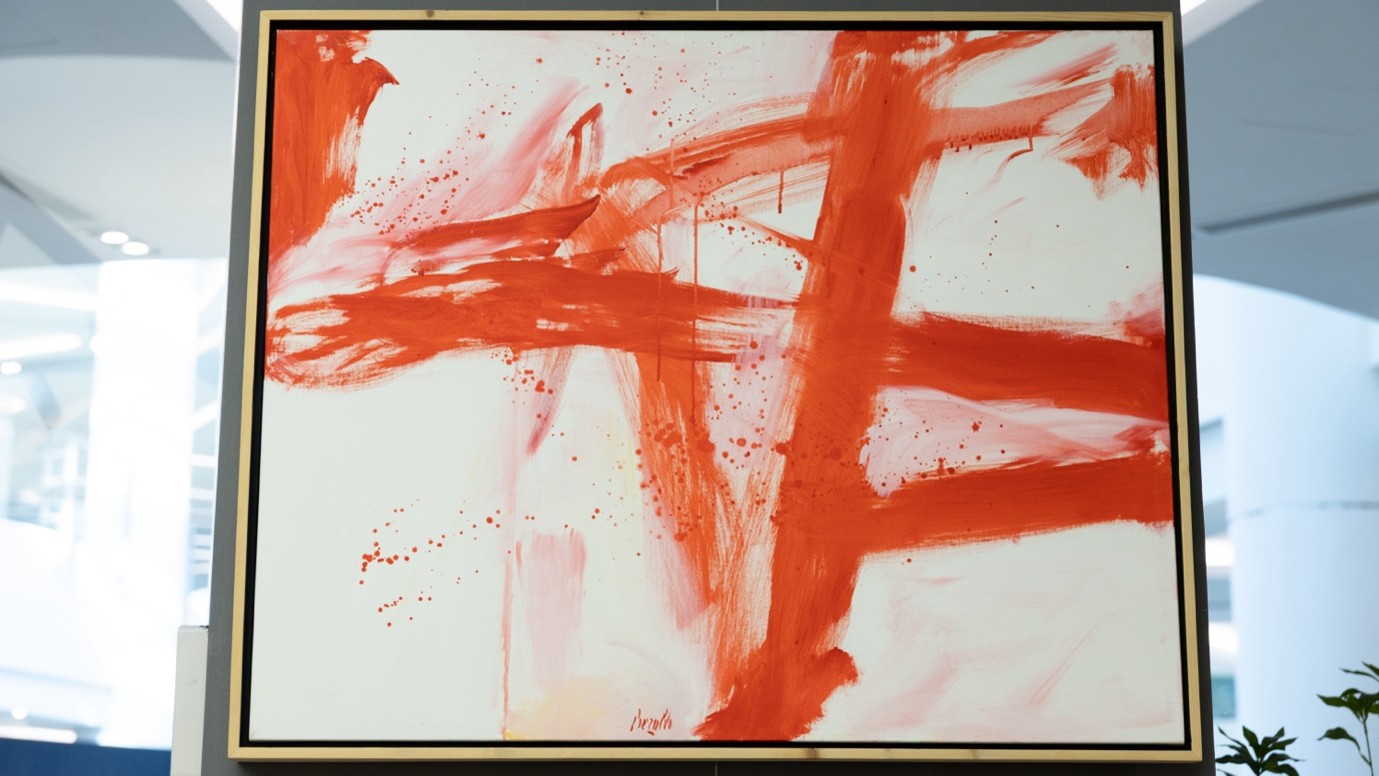
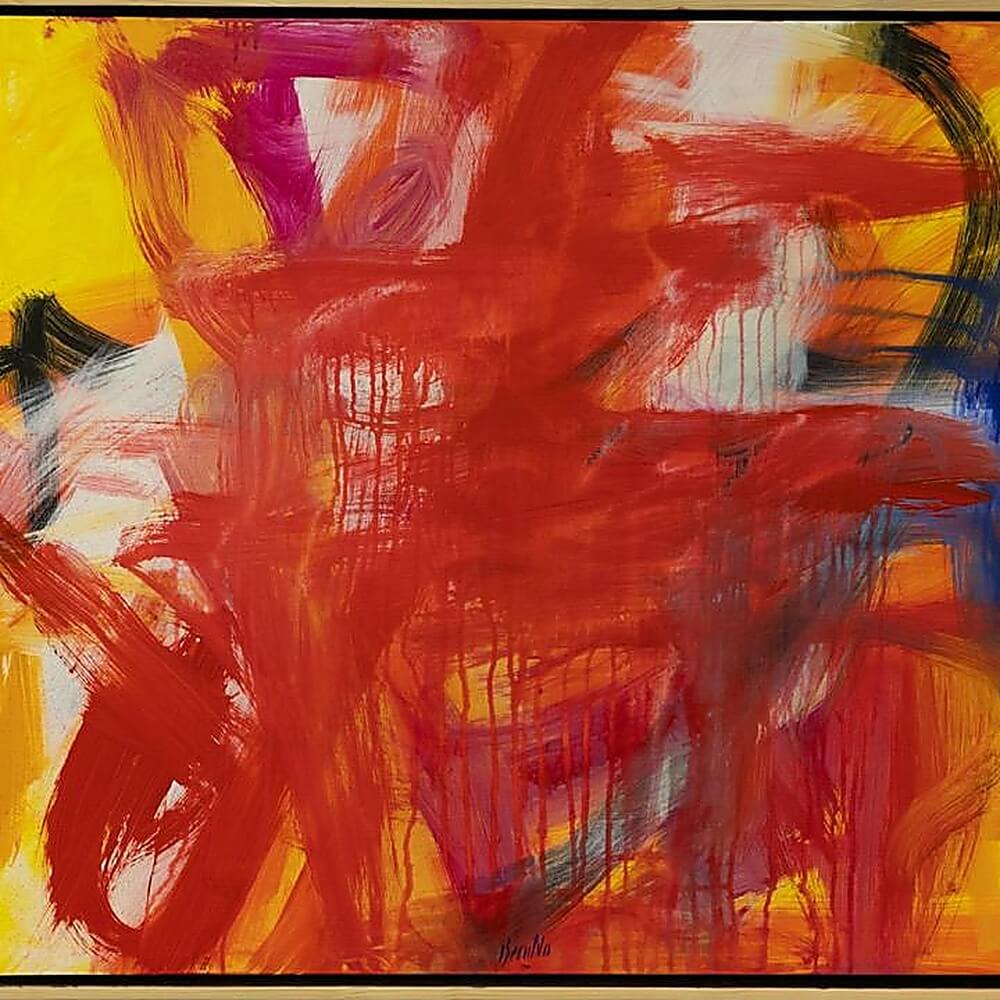
Curatorial themes used in contemporary artworks increasingly emphasize the multi-sensory and immersive exhibition formats. Various famous artists, such as Franco Beraldo, use expressive materials and indefinite themes to offer an artistic experience.
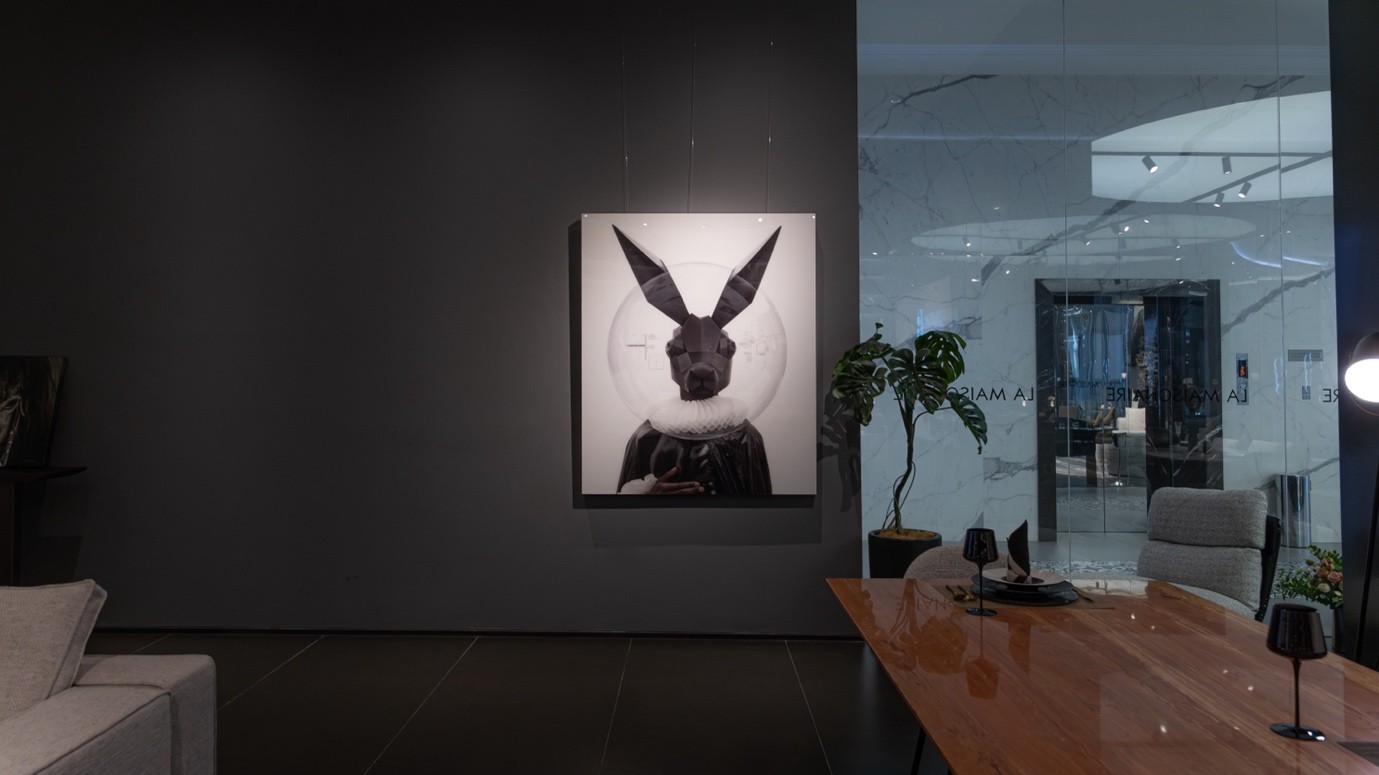
Even Gerard Rancinan offers strong artwork through storytelling art using photography, presenting the modern spectacles with themes like power, identity, collective memory, etc. The thematic artworks give a more immersive and sensory experience, aiming to create a narrative-driven environment.
The external factors that affect the sensory curatorial themes mainly include layered lighting schemes, digital integration, soundscapes, spatial sequencing, etc. This curation helps increase viewers’ intellectual engagement and dwell time. With the growing use of immersive frameworks in art galleries, it is slowly adapting to audience expectations and curatorial clarity.
Feature 4: Synergy Between Fine Art and Luxury Interior Design
Art galleries showcase synergy between high-end interior aesthetics and gallery presentation via fine art. World Art Dubai stands as an insightful example, which shows galleries are responding with lifestyle-oriented display formats.
Presently, the city’s exhibition spaces are a blend of multi-sensory themed environments with the iconic avant-garde architecture. These art museums not only showcase fine art by artists like Isabelle Scheltjens or Roberto Miniati but also use tailored sounds and scents. This gives a high-end experience to viewers.
Apart from this, art lovers can also find neutral interiors, visually appealing staged room settings, and residential-style lighting. There are no more traditional white-cube model settings. This synergy and merging of art and interior design is attracting more visitors while maintaining the curatorial professionalism.
Feature 5: A Commitment to Sustainable and Local Narratives
The best art galleries in Dubai are also committed to regional storytelling and to presenting artworks in eco-friendly, sustainable spaces. Art museums usually present paintings and sculptures that resonate with cultural heritage, environmental themes, and locally grounded narratives, as reflected in Arabic motifs.
Art lovers can see the synergy of eco-friendly practices as a few art exhibitions and museums use recycled materials and natural pigments. From community-driven, sustainable art to local heritage, modern art museums blend premium artworks and traditional culture.
The art collectors are becoming equally responsible by supporting the sustainable sourcing of the artworks. They support the use of non-toxic paints and recycled canvases to promote environmental awareness. Community engagement is done by transforming the city into an open-air gallery, giving a chance to local creativity.
Moreover, the local narratives are aligning well with the broader global shifts. It indicates the maturing of the art market, supporting cultural relevance, artistic values, aesthetics, and ethical considerations.
The Collector’s Checklist: What to Ask a Gallerist
Falling for an artwork and choosing to add it to the collection is an exciting process. There are things of beauty that become joy forever. It goes the same for sculptures or contemporary paintings one picks at a museum. However, new and experienced collectors still may have some doubts or questions.
When purchasing through a gallery, collectors should ask specific questions to ensure clarity and transparency. So, here are a few questions one can ask the gallerist in the Dubai Art Museum:
- Where is this artwork from?
- Is there availability of provenance for the artwork or a certificate of authenticity?
- What is the condition of the artwork?
- Where has this artwork been shown?
- What are some practical considerations to make before purchasing the artwork?
- How to know if this artist is a wise investment?
- What is the right way to preserve and look after this artwork?
These are a few questions that will help make an informed decision. Buyers can clarify the pricing structure, condition of the painting or sculpture, or resale considerations. Documentation transparency and having a structured checklist will assist in maintaining clarity and navigating through Dubai’s gallery ecosystem.
The Logistics of Luxury – Installation, Insurance, and Trials
Post-acquisition logistics form an important layer within the art gallery environment. Professional installation planning often considers wall composition, spatial proportion, and lighting direction. This is necessary when installing large modern artworks.
Then comes the insurance coverage that reflects the transit risk, market valuation, and display location. A few art galleries in Dubai offer a preview of the art at the buyer’s residential or commercial space under placement trials. This will help to understand the visual harmony of the artwork in a particular room.
Attention to handling protocols and documentation supports the long-term preservation of the artist’s work.
Conclusion
The best art gallery in Dubai represents curatorial awareness, spatial designs, high-end investments, and supports sustainability. Observing these features, buyers can have a clear understanding of how Dubai’s art ecosystem is maturing within the global art collection.