A private art collection often begins with understanding how a contemporary art gallery Dubai operates within the regional and global art ecosystem. Many galleries house curated artwork and support emerging artists. They give access to diverse collectible arts, cultural narratives, and provide artwork.
For buyers, structured art gallery representation offers transparency in pricing, provenance, and the artists’ background. Over time, informed art acquisitions through established galleries can support a collection that reflects personal taste and long-term artistic significance.
This detailed yet informative guide may help buyers get more insight into private collectibles, the integration of art, and making investment-worthy decisions.
Understanding What a Private Art Collection Means
A private art collection is a personally curated and privately owned assembly of relics or artworks that represents the owner’s taste and personal style. UAE’s premium art and collectibles retail market valuation is $1.2 billion based on rising income, art tourism, and investments in Dubai’s art ecosystem. Dubai’s status as the global hub for tourism and business, with numerous art fairs and exhibitions presented in established galleries, attracts regional and international collectors.
The private art collections in a Dubai art museum evolve organically, guided by individual themes, regional and cultural focus, and using specific art mediums like traditional motifs or Western contemporary patterns. With this approach, art collectors can build a distinct art collection rather than just gathering paintings.
Documentation of provenance, getting a certificate of authenticity, knowing about the artist’s background, and contextual pieces add depth to an art lover’s space. Most established art collections begin with a focused direction that allows space for gradual expansion.
The Curatorial Advantage of a Contemporary Art Gallery Dubai
Working with established art galleries often introduces art connoisseurs to a structural curatorial framework to make informed decisions. Art galleries evaluate artists based on exhibition history, market trajectory, and critical reception.
This curatorial filtering at an early stage helps create context around each artwork, explaining to visitors how an artists’ work resonates with regional narratives. For example, 971 Art Gallery presents the work of beginners, mid-career, and popular artists from across the globe. A layered view of the modern art scene is set by famous contemporary art artists. They have woven the social threads showcasing the global culture.
Understanding Artistic Value Beyond Aesthetics
Does the artist’s artwork offer emotional and intellectual engagement? Artistic value not only lies in offering the visual appeal, but the art must have the capacity to communicate. Artworks act as the tangible source that connects the art lovers with the artist’s thinking and also the cultural heritage.
For instance, most popular names like Abol Atighetchi represent the art that shows the ancient populations from North and South America, Africa, and the Far East. His paintings depict balance and harmony.
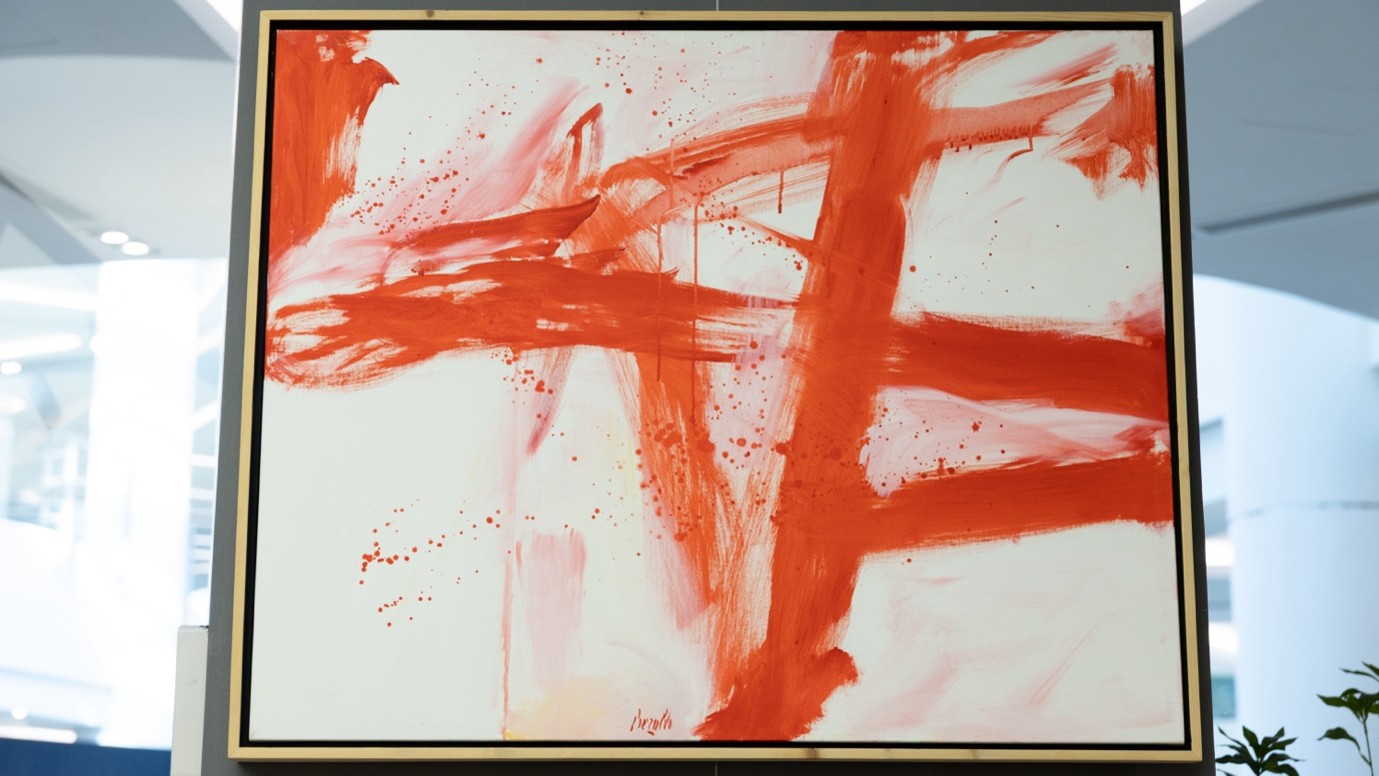
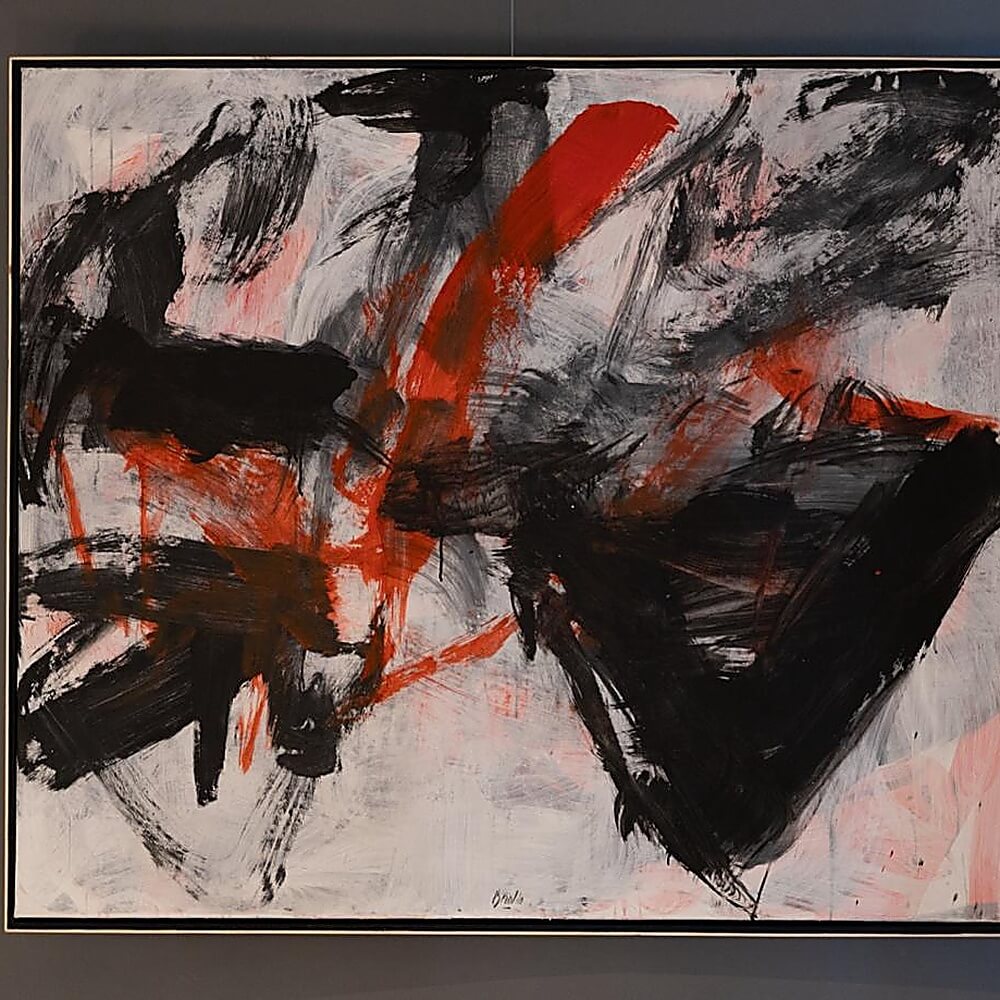
On the other hand, the work of Franco Beraldo engages art enthusiasts and private collectors by demonstrating the distinctive art language. His artwork is mainly influenced by Byzantine icons and abstract art.
Moreover, these artists have appeared in major curated shows across the globe, which has given art collectors an early view of different eras. Learning more about curated art exhibitions helps build an informed and balanced collection.
How Galleries Guide Collectors in Making Confident Decisions
From first art inspirations to meaningful acquisitions from the artwork exhibition must start through navigating the world of art, understanding why invest in a particular painting or sculpture. Buyers should take advice from gallery experts on the various artworks from artists like Michele Tomobolini, Ricardo Gusmaroli, Gerard Rancinan, etc.
Contemporary galleries act as the structured intermediaries between the artists and collectors. Gallery experts provide guidance based on market knowledge and curatorial insights, allowing for making informed decisions.
Buyers can get clarity on:
- Provenance and certificate of authenticity for the artwork.
- Exhibition history of artists.
- Evolving market position of the artwork.
- Critical explanation of the artwork and its relation to the artistic movement.
- Professional handling and installation of the artwork by the art gallery.
Such structured guidance helps collectors in making confident and well-balanced art collection decisions.
The “Living with Art” Philosophy: Integrating Art into the Home Environment
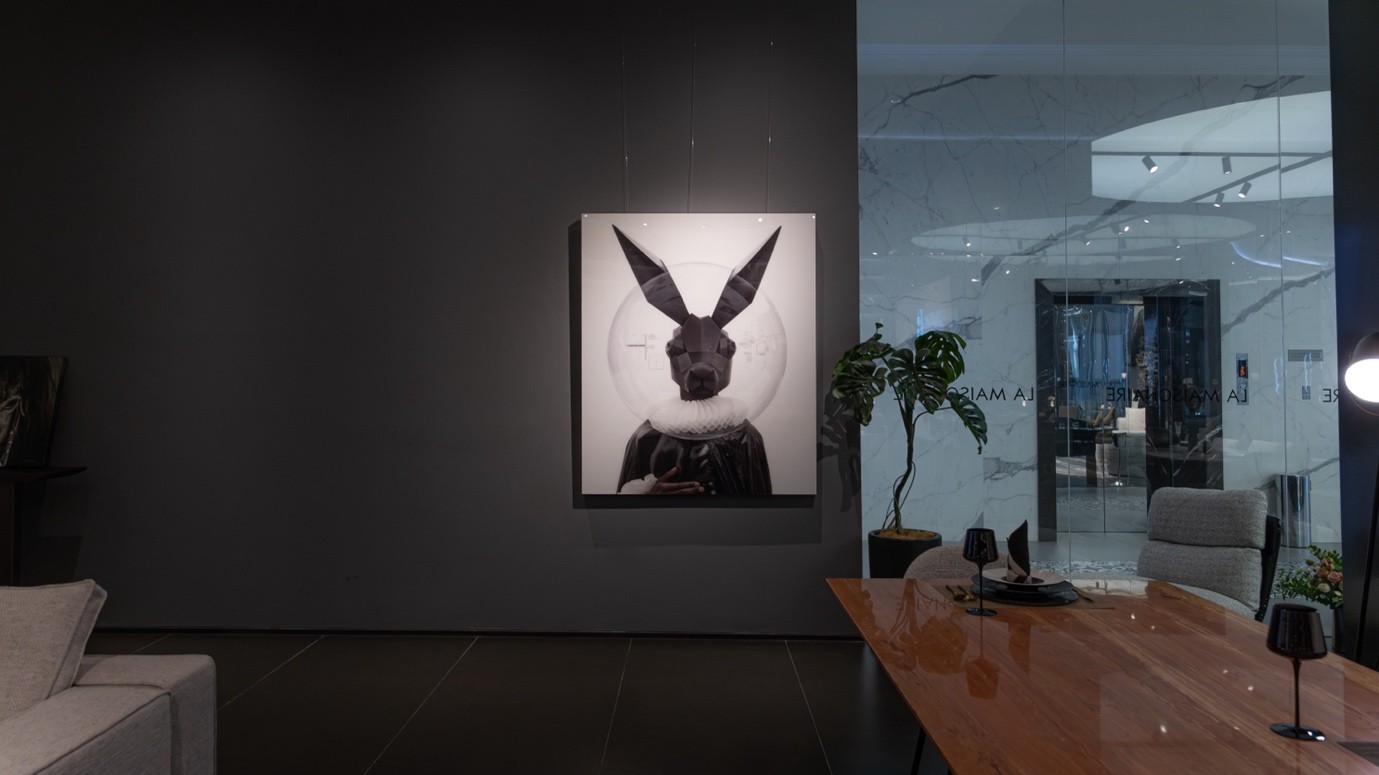
Mindful designs and artistic vision shape the interiors of most Dubai homes, like villas and penthouses. It is a place where art, culture, and luxury meet and curate an emotional response. The “living with art” approach views the artworks as part of everyday surroundings rather than objects kept for display. These artistic works evoke emotions and sometimes become a conversation starter in home environments.
It is an experiential philosophy that integrates modern art, personal heritage, cultural designs, etc. The Dubai homes look like a place for curated art, making it feel more inviting and aesthetically appealing. Moreover, when the collectibles interact with furniture, architectural elements, and textures, the overall environment feels intentional and cohesive.
Many private collectors from the region thoughtfully place the artwork in a way that encourages deeper engagement and the strengthening of emotional and intellectual connection.
Inspiration from Dubai’s Cultural Landscape
Artworks collected by private collectors in Dubai reflect the value of diversity, openness, and interconnectivity. The city’s cultural landscape is a blend of European and Asian practices alongside the Middle Eastern heritage. This creates a visual ecosystem for the onlookers.
Moreover, broader art gallery programs, museum exhibitions, and art fairs do contribute towards the exposure of different artistic styles and media. The cultural diversity in the artwork often influences private collectors to explore cross-cultural themes for their space. There is no need to just focus on one single type of artwork, sculpture, or relic.
Established art galleries in Dubai present the work of modern and traditional artists, offering regional narratives alongside international perspectives. Many Emirati collectors often resonate with the Arabic and Middle Eastern artworks because the art tells the story of their culture.
Investment Perspective in Private Collecting
A private art collection is a mix of aesthetic and cultural appreciation of the space and building, an asset. Long-term value of the art is seen by collectors by analyzing the artist’s career growth, market demand, and institutional recognition.
Artworks by the artists with a consistent exhibition history and inclusion in the curated shows demonstrates stronger market position. A few collectors create a private collection because of personal interest, but others view it as a financial investment. They consider modern artwork as a tangible asset with resale value.
A balanced approach in art investment includes collecting for intellectual depth, emotions, visual appeal, and seeing the potential financial relevance of the art.
Taking Care of Your Art in Dubai
The environmental and hot and humid climatic conditions of Dubai make proper art care necessary. High temperatures, humidity fluctuations, and strong sunlight can affect the sculptures or the paintings.
Works on mixed media, paper, and canvas can be particularly sensitive to humidity fluctuations and prolonged light exposure. The experts from modern art galleries offer detailed condition checks for the artwork and provide professional installation to maintain structural integrity.
Moreover, the private collectors should have proper indoor climate settings, UV-protective glazing, and professional framing to reduce climate stress. Proper insurance coverage and documentation from the art gallery can also help with asset management and preservation of artwork.
Conclusion
Private collection is built with cultural awareness, informed choices, and proper artwork care. Engaging with contemporary art gallery Dubai often helps collectors to get a structured context about the art and credibility for supporting the collections. This reflects both personal vision and long-term artistic relevance within the regional art landscape.