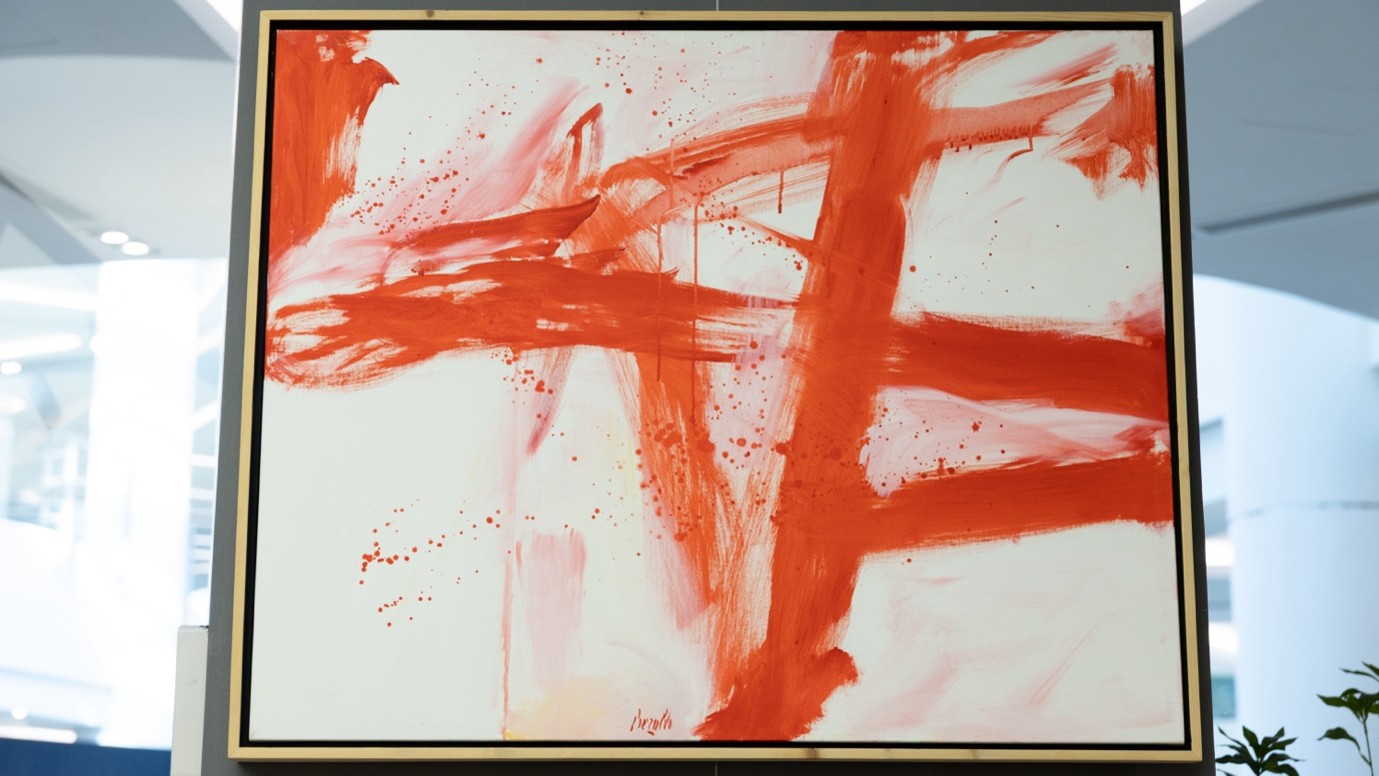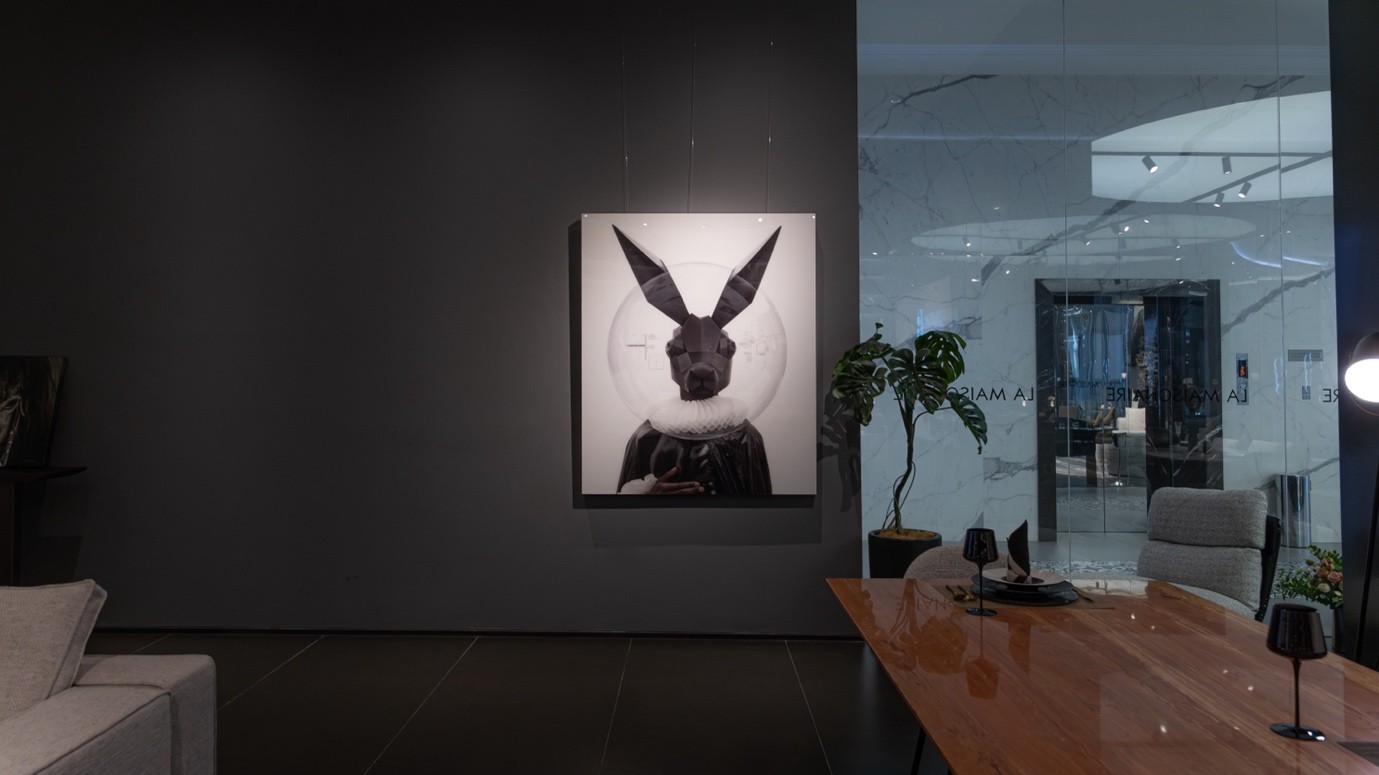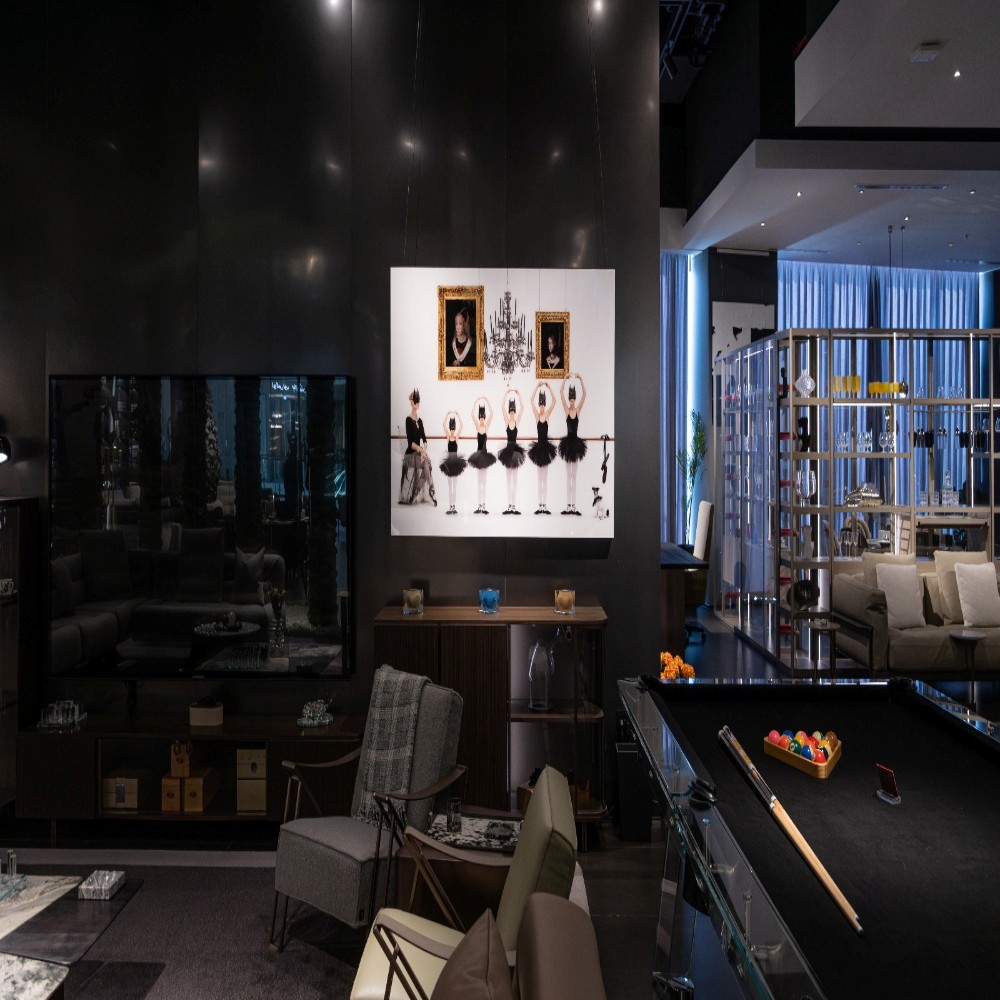
Experts from art gallery exhibitions can explain the art concepts, cultural tales, and innovative art practices in the best way. While they might appear straightforward, each artwork tells a tale. It is safe to assume that the majority of these artworks will blend well with current market trends.
In Dubai, these art exhibitions are curated and showcased at big events, bringing together regional and international artists. When you are visiting an art event, instead of walking past artworks, take your time to observe details.
Look for the way each artwork is displayed or presented. Ask pertinent inquiries of art experts and have meaningful discussions about art concepts. The ideal strategy would be to go past the visual aspects and comprehend the artwork’s broader significance. An introductory knowledge of art concepts and art gallery exhibits could improve the experience greatly.
Why a Strategic Approach to Art Exhibitions Matters
Visiting an art gallery without any plan or just passing by may add to surface-level viewing. But for more structured viewing, it includes slowing down and asking the right questions from the curators. This will help you not to miss out on the context behind the artwork.
Moreover, a structured approach will help to know more about the artists, the intent behind the work, and the medium. In Dubai, the galleries exhibit distinct features such as a wellness-centric environment, sensory-based themes, looking at artwork as an asset, and much more.
Understanding these aspects also helps buyers identify current market trends. It will allow for comparing the work and identifying whether the art form will resonate with their long-term interest. A strategic approach towards art goes beyond the visual appeal and focuses more on value, authenticity, and relevance.
1. Research the Gallery and Exhibition Before You Visit
Before planning a visit to a UAE art gallery or an exhibition, research fully about the theme and artists who will be attending the event. Observe what the usual focus of that gallery is, whether they exhibit modern artwork or traditional calligraphy and paintings. Most galleries may support emerging and regional talents, and others only invite internationally-acclaimed artists.
Evaluating these minute details will help in interpreting the context behind the artwork more clearly. As a visitor, you will ask clearer questions and avoid making quick judgments. Observation is the key to understanding the artwork rather than going only by first impressions.
2. Understand the Curatorial Narrative
Curatorial narrative means going beyond the painting or sculpture and presenting the background or heritage behind the artwork. The curation nowadays goes beyond preservation, as it creates a dialogue between the artwork and the audience. The role of a gallery curator is that of a visionary and an educator.
This concept is followed for most exhibitions and by contemporary artists like Benito Cerna Leon and Gérard Rancinan to give a broader understanding of the community. Leon balances realism and expression in his paintings. Rancinan showcases human behavior and social themes.
When viewers follow the curatorial narratives, it becomes easier to understand the artwork. It helps people to witness the intent behind the art form and patterns that make the overall experience meaningful.
3. Observe Beyond Aesthetics
When observing the contemporary artworks, most viewers will first witness the visual appeal. Colors and the painting composition will draw the attention first, but the deeper value lies in the techniques, concept, and context.
Visitors should assess the materials used, how the work fits within the broader perspective, and what message is being conveyed. In cities like Dubai, most of these art exhibitions reflect global themes and regional narratives. Most of these galleries showcase traditional and contemporary art, encouraging people to spark conversations.
Focusing only on visual appeal can limit the understanding of the art. But following a more thoughtful approach reveals the meaning, long-term relevance, and intent behind the artwork.
4. Engage With Gallery Experts and Curators
Engaging in conversations with gallery experts and curators adds depth to your understanding. The experts and art advisors share insight into the artist’s background, how a particular piece was selected, and the idea behind the exhibition.
The conversations with art curators and gallery experts are often informative rather than sales-driven. Asking simple questions during an art exhibition helps in clarifying details about the artwork. This helps in easily understanding the context behind the art, how an art piece fits in a broader concept, and authenticity.
5. Pay Attention to Artist Positioning
While exploring the contemporary artworks, it is important to understand where the artist stands in their career. Observe whether they are an emerging artist, in the middle of their career, or widely established. This positioning will help influence how their work is presented and perceived by visitors.
Most artists like Roberto Miniati, Riccardo Gusmaroli, Michele Tombolini, etc., are acclaimed ones. They work on conceptual art, providing deep expressionism in their artworks. Miniati showcases the post-war work and cultural reflection in his art forms. Whereas Riccardo and Michele work on modern artworks and show energetic dimensions in their art.
This helps you evaluate an artist’s consistency, style, and relevance in the current art context.
6. Evaluate Art From an Investment Perspective
Art should be evaluated as carefully as any other long-term investment asset. But you need to follow a sharp cultural insight for the same. Buyers should track the artist’s background, see the market reputation of the art gallery, blue-chip artwork backing, etc. These features state that the artwork bought will have a sustainable value.
Moreover, market pricing trends and auction records also matter. Treat the acquisition as a long-term investment that needs to be held like other investments. The modern artwork derives its value from critical evaluation and not only aesthetics.
7. Take Your Time: Serious Viewing Requires Patience
Serious art collectors or viewers rarely rush through the art gallery exhibitions. Most visitors spend under a minute per artwork, which limits the true understanding of the context and emotional connection. Therefore, slow viewing allows for a deeper connection with the artwork, and one can understand the intent behind the piece.
Visitors will also understand the context, composition, and the background story of the art form. It is always good to revisit the artwork, adjust your viewing distance, and reflect on what it conveys. Patience with the artwork viewing will help with making your acquisition more meaningful and informed.
8. Document and Reflect on What You See
Documenting your impressions helps turn passive viewing into informed decision-making. Take notes on the medium used by the artist, background, technique, context of the art form, and emotional response to the work.
These details may be impossible to remember if there is no record kept. Structured note-taking will help in clarifying the reflection of the art on your private collection. For serious art connoisseurs, taking and revisiting these documentations will help reveal patterns and refine the art acquisition process.
9. Know When and How to Make a Purchase
Timing plays a crucial role as your purchase requires both market awareness and composure. Most art galleries provide early access during previews that often showcase the strong art forms. Waiting for long can risk losing sought-after pieces.
Visitors need to understand edition sizes, the structure of the artwork, and payment terms before buying. A serious art collector always engages in a balanced dialogue with reputable galleries to buy only artwork of long-term value.
Common Mistakes to Avoid When Visiting Art Exhibitions
When visiting art gallery exhibitions, it is useful to slow down and observe each piece minutely before forming an opinion. Small observations reveal important information that may not feel obvious at first glance.
- Never touch the surface of paintings or sculptures
- Using flash photography can damage delicate paintings
- Focusing only on visual appeal and ignoring the context
- Hesitating to ask questions about the artwork
- Blocking the view of other visitors
Avoiding these common mistakes will help you get a more balanced and engaging art viewing experience.
Conclusion
Understanding the artwork by visiting well-known art gallery exhibitions requires patience, market awareness, and research. The reputed galleries in Dubai, such as 971 Art Gallery, give proper access to art collectors to curated modern artworks. The experts also provide credible artists’ representation and transparent guidance on the art forms. This helps make confident and informed buying decisions.