Dubai’s evolving art landscape calls for a critical evaluation of contemporary art artists following a structured approach. The evaluation phase comprises analyzing the artist’s profile, exhibition records, and the placement of his artworks in the market. This analysis must be carried out before making any monetary investment.
The buyer must first establish the legitimacy, price stability, and intrinsic value of the artwork prior to purchasing. It is essential to evaluate the presence of the artist and his artwork in prestigious galleries.
It is also important to evaluate whether the artwork depicts a distinct conceptual or cultural significance.
The Collector’s Mindset: Art as a Long-Term Asset
When collectors view the artwork produced in the UAE, they search for an investment piece rather than one that will give them instant satisfaction. Although some artwork appreciates with time, there are other pieces whose prices are determined by trends in the market.
As per Forbes, almost 56% of wealthy individuals are spending on art collectibles, where the average planned spending is $108, 270. Art and antiques are trending as a long-term asset among high-net-worth individuals. So, collectors are assessing the contemporary artist’s career progression and their participation in exhibitions to make a curated collection.
The focus is not only to acquire the visually appealing work but also to evaluate its potential over time. In most cases, art collectors hold artwork for years, so research and patience are quite necessary. Buyers are focusing on sustainability and value that affects the financial outcomes and overall quality.
Stages for Evaluating Contemporary Art Artists
Stage 1 – Initial Filtering: Identifying Artists Worth Attention
The first stage is narrowing down the modern artists by reviewing the basic indicators, including direction and credibility. This includes gallery representation of artwork, recent exhibitions, and consistency in the artistic style. Buyers often compare the work of contemporary artists by understanding their current position in the market. Without this initial filtering, it becomes difficult to differentiate between the artists worth attention and those emerging on the cultural scene.
Stage 2 – Deep Dive: Understanding the Artist’s Practice
At this stage, art collectors understand how present-day artists develop their art forms over time. This includes reviewing the art themes, conceptual direction, and materials used across multiple artworks. Consistency in the artwork and evolution are both considered by the collectors.
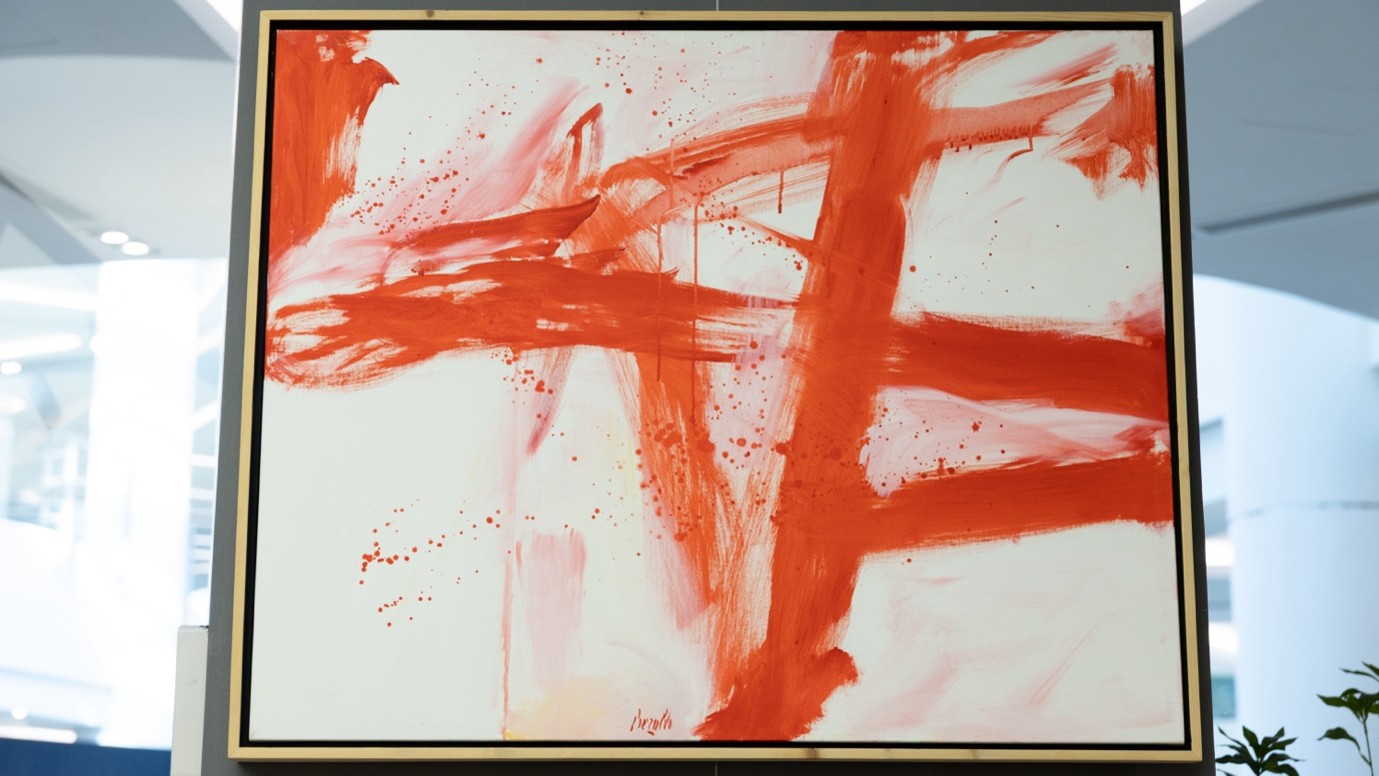
Artists such as Abol Atighetchi, Franco Beraldo, Roberto Miniati, etc., have presented the art forms that showcase cultural reflection and customized expressive forms. So, buyers assess whether the work reflects context and intent, or if it is without any direction. This also affects the long-term value and relevance of artwork.
Stage 3 – Market Positioning Analysis
Collectors analyzing modern art paintings would also consider the place of the artist in relation to the market as a whole. These aspects include:
- Participation in art events
- Representation by the art gallery
- Market visibility of the artist
- Pricing of the artwork
If this type of assessment is not performed, it becomes hard to determine whether the artwork under consideration is market-oriented or not.
Stage 4 – Demand Validation
The art collectors validate the demand for contemporary artists by observing the real market activity rather than relying on perception alone. It includes how often the artwork is sold, whether the pieces exceeded their estimated value, and the level of interest showcased by visitors.
As the art market often operates on limited-edition artwork, an increased collector’s interest can directly influence the pricing and visibility. Buyers should also review whether the demand is consistent for the art forms or only driven by trends.
Stage 5 – Risk Assessment Before Acquisition
Before acquiring the UAE artwork, collectors and art lovers evaluate multiple layers of risk that extend beyond the visual appeal. These risk factors can include authenticity concerns, market volatility of artwork, incomplete provenance, and the artist’s reputation.
Under risk assessment, buyers also consider the liquidity, as reselling the artwork can take time due to limited buyers. Observing the physical risks, such as restoration issues, damage, or improper storage, is also equally relevant. Without conducting these assessments, long-term uncertainty may increase.
Stage 6 – The Intangible Factor: Emotional and Cultural Resonance
Along with the structured evaluation, the art collectors also review how an artwork connects with people on cultural and personal levels. While assessing the work of modern artists, this factor can influence the long-term engagement.
Cultural relevance, emotional impact, or narrative depth may not be measurable factors, but they shape the private collector’s decisions. This also determines whether a particular artwork remains meaningful over time.
The Role of Galleries in Shaping Collector Decisions
Art galleries in Dubai play a structured role in how collectors interpret and evaluate new-age artists in a broader market context. The modern art galleries are not just display spaces but also act as intermediaries between collectors and artists.
The galleries provide details on the artist’s background, exhibition history, and curatorial direction. Art collectors should review the following:
- Consistency of an artist during art exhibitions
- Types of exhibitions they have participated in, such as solo or group exhibitions
- Any participation in international art fairs
These things will indicate how a particular contemporary artist is positioned in the market. Galleries also offer insight into the pricing framework and document the past transactions. You will also get details on provenance, certificate of authenticity, and condition reports for decision-making. Without these structured reports, art collectors may find it difficult to assess the credibility of the artwork and get less clarity on long-term value.
How Evaluation Differs for Emerging vs Established Artists
When assessing the emerging contemporary artists, collectors focus on early art exhibitions rather than their history. This includes reviewing the curated exhibitions, gallery representation, and consistency of visuals across various artworks. Artists such as Isabelle Scheltjens, Michele Tombolini, etc., use evolving themes and art styles. They are evaluated based on the artist’s trajectory rather than sales. Art collectors assess their institutional visibility and curatorial attention as early pricing depends on these factors.
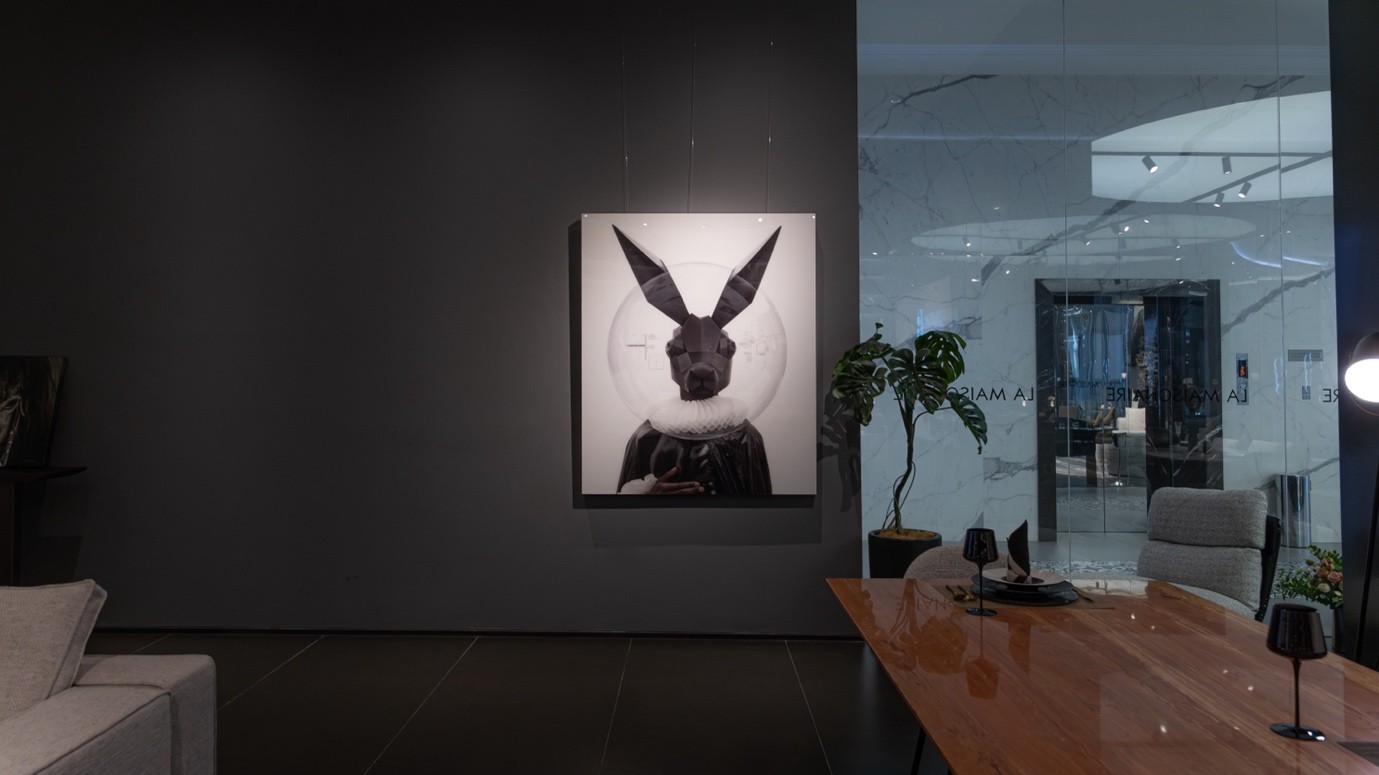
The evaluation of the established contemporary artists depends on their market credibility and the stability of their art’s presence. Artists such as Gérard Rancinan, Riccardo Gusmaroli, and many more are internationally renowned. Their works are exhibited in major Dubai museums. Therefore, art collectors assess established artists by going through the exhibition records, consistency of the art pieces’ pricing in the market, and the global recognition. Art connoisseurs also review the artist’s auction records, the long-term value of the artwork, and acquisition by reputed galleries.
This evaluation, done for emerging vs established artists, helps in choosing the artwork of higher valuation. It even states how the different collections will perform within the mature collection of the collectors.
Practical Framework: A Collector’s Evaluation Checklist
When reviewing contemporary art artists, collectors rely on the structured checklist to improve their decision-making. This approach is beyond visual appeal and focuses on a few measurable factors:
- Assessing the artist’s background based on education, training, and cultural art context.
- Evaluate the art exhibition history and whether the artist participated in solo or group exhibitions.
- Credibility of the art galleries representing the artist’s work.
- Evaluating the provenance, authenticity, and ownership record of the artwork.
- Checking the artist’s consistency, like their style, medium, and conceptual direction.
- Assessment of the artwork’s quality, material durability, and any restoration signs.
- Observing the alignment of art pieces with the present-day market trends.
Conclusion
Evaluating contemporary art artists requires patience, market awareness, and documentation. Each step taken from authenticity to the pricing context helps reduce the uncertainty. Art collectors who follow the structured checklist tend to make informed decisions.
The reputed galleries in Dubai, such as 971 Art Gallery, present the curated artworks along with documented details and proper evaluation.