Sometimes, you come across paintings that look so real; it feels like you can touch everything drawn in them. That’s the power of texture!
It gives a character, depth, and emotion to art pieces, which is impossible to achieve on flat surfaces. That’s the reason contemporary art artists are so creative with textures in their work.
Whether achieved with thick brush strokes or layered materials, no art piece can ever be engaging enough without textures.
So, let’s have a clearer understanding of how artists use textures to gain a completely new perspective on contemporary art.
Why Texture Plays a Vital Role in Contemporary Art?
Texture is never added only for noticing – it actually decides how viewers observe artworks.
Texture doesn’t only give a stronger visual presence to art pieces. It also weaves a deeper emotional connection into them.
It Makes Art Feel More Real
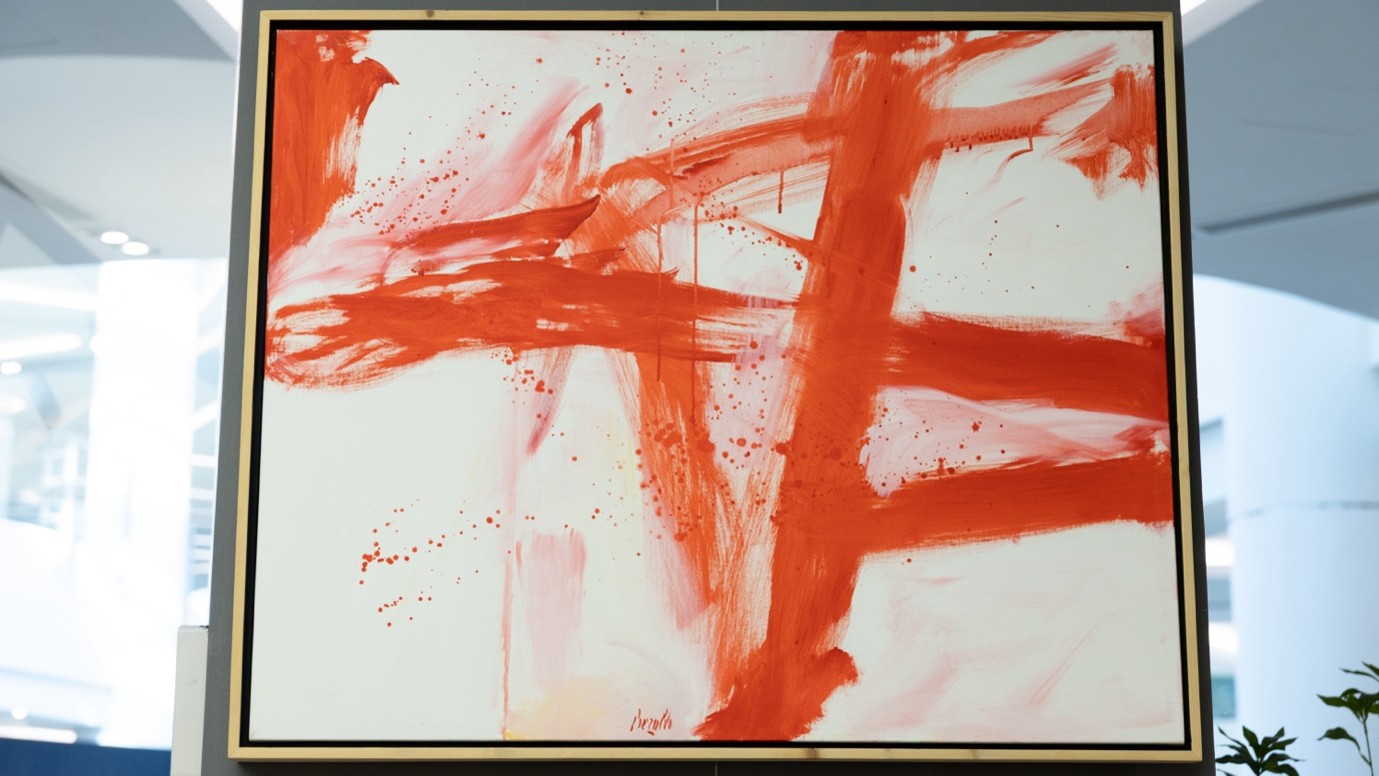
Flat surfaces start looking more layered and dynamic with texture. Painters attain such finishes with various creative methods like brush strokes and raised paint.
Naturally, this will make you eager to explore the artwork from different angles, like any other three-dimensional piece.
It Keeps Your Eyes Exploring
Textured surfaces are naturally more eye-catching. People often, on their own, want to observe textured and visually attractive surfaces more carefully. Therefore, the viewing experience naturally becomes more engaging.
It Adds Meaning Without Words
Artists don’t need words to express their ideas and emotions. They have other ways to do so. Like, rough, uneven surfaces can make you think of struggle, energy, or hardship. On the contrary, softer textures induce a calm feeling. Such small details can determine how one connects with paintings or interprets them.
It Makes Every Artwork More Memorable
With textures, artworks become more than something just to look at. They become experiences. Yes – normally, you won’t be able to touch artworks in galleries. But you can imagine how textures would feel if you touched them simply by looking. These tiny interactions make the artworks more memorable.
How Contemporary Art Artists Create Texture in Their Work?
Texture isn’t only about adding layers of colors on a canvas. Contemporary art artists use various materials and techniques to create textures for more depth and character.
Layering Different Materials
Artists often merge multiple materials, like plaster and sand, or apply multiple layers of paint on art pieces. They experiment with various surfaces and materials, and discover new possibilities. Multiple layers of paint. Artists often use these two techniques to create textures. Such textures not only make the artwork look more dynamic; they also give it a richer appearance.
Experimenting with Different Tools
It’s difficult to find artists who don’t use brushes at all. However, they also use tools like palette knives, sponges, scrapers, and even everyday objects. Such objects are great for creating unique marks and patterns that are impossible to create with brushes.
Mixing Traditional and Modern Techniques
Fusion of different painting methods isn’t something new in contemporary art. Many contemporary artworks use experimental methods like mixed media along with other traditional methods. This way, artists often create fresh visual aesthetics, keeping their own artistic language intact.
Refining Every Detail
Artists never aim to create texture in only one go. They often add, remove, and adjust different areas as long as the surface isn’t balanced as per their expectation. Textures created in this way make artworks look more visually striking and thoughtfully crafted.
The Emotional Impact of Texture in Contemporary Artworks
Texture not only changes an artwork’s look, but it also shapes how viewers feel while seeing it. Therefore, texture has long been a weapon for contemporary art artists to make their creations emotionally connect with the audience.
It Draws You into the Artwork
Some creations can literally compel you to stop for a few extra moments and experience them a bit more. Often, texture is the reason for this. Things like layers, patterns, and surface details make the experience even more appealing. That encourages viewers to run their eyes over the artwork more carefully.
It Encourages Personal Interpretation
Two different people can think of two very different things while looking at the same texture. Like, a textured surface can trigger a memory or an emotion in you. But it might not happen to the man standing beside you. This is how every viewing experience becomes very personal and unique.
It Leaves a Lasting Impression
Artworks with textures can leave a piece of themselves in you for a long time. Sometimes, after leaving the gallery, the look of an artwork or the feel of its texture keeps coming to people’s minds once they close their eyes. This long-lasting impression makes texture one of the powerful elements in contemporary art.
How Texture Influences the Value and Appeal of Contemporary Art?
Contemporary artworks won’t be complete if you only think of subjects and colors and don’t include texture in them. Texture brings more originality and intent to creations.
It Showcases Craftsmanship
It’s impossible to create aesthetic and thematic textured surfaces without careful planning and skill. Whether it’s done with layered paint or using mixed media techniques – it’s true for all of them. Therefore, high-quality, textured artwork always shows the time and effort invested in it.
It Makes Every Piece Unique
Textured artworks often showcase intricate details that are literally impossible to achieve on flat surfaces. Thus, they add character to artworks that make each of them unique. And this is what makes every one of them different from the other ones.
It Attracts Collectors
Textures make artworks stand out by adding depth and originality. And this is why they are more engaging no matter where you display them. So, it’s quite natural for collectors to feel a pull towards such visually distinctive pieces.
Where Can I Find Original Artwork by Contemporary Artists in Dubai?
If such a question is on your mind, you should know that the city gives you plenty of options. There are several independent galleries, art fairs, and cultural districts. And they all feature works of prominent local and international artists.
So, it’s quite easy to check gallery websites and exhibition calendars and find out ongoing and upcoming events. But if you are serious about contemporary art and want to see curated collections, 971 Art Gallery is worth your visit. It showcases artworks of both budding and recognized artists. Besides, you will also have a chance to find authentic pieces and learn about contemporary art.
Texture as a Signature Style of Contemporary Art Artists
Many contemporary art artists use texture as their signature element. And what does it do? It makes their art more recognizable than other artists’ work. Let’s see how it does that.
It Reflects an Artist’s Identity
Each artist uses tools, materials, and surfaces in their own way. Over time, these choices form their artistic individuality, and that leaves a mark on their artworks too.
It Encourages Creative Experimentation
Time and again, texture helps artists to go beyond the limitations of traditional painting techniques. They experiment with several surfaces and materials, and come across fresh possibilities. This leads them towards creating fresh and original artworks.
It Creates a Lasting Impression
Artworks with unique textures are easier to remember. And the more you keep exploring contemporary art, you will understand an artist’s signature approach. This way, you can experience his work in a better way and understand why his work is unlike others.
Final Thoughts
Texture is now a signature mark of contemporary art artists. It adds depth, encourages originality, and invokes emotions in every piece of art. So, if you want to experience contemporary art in a better way, you must know how artists use texture. Only then can you make more informed choices as an admirer or a collector.