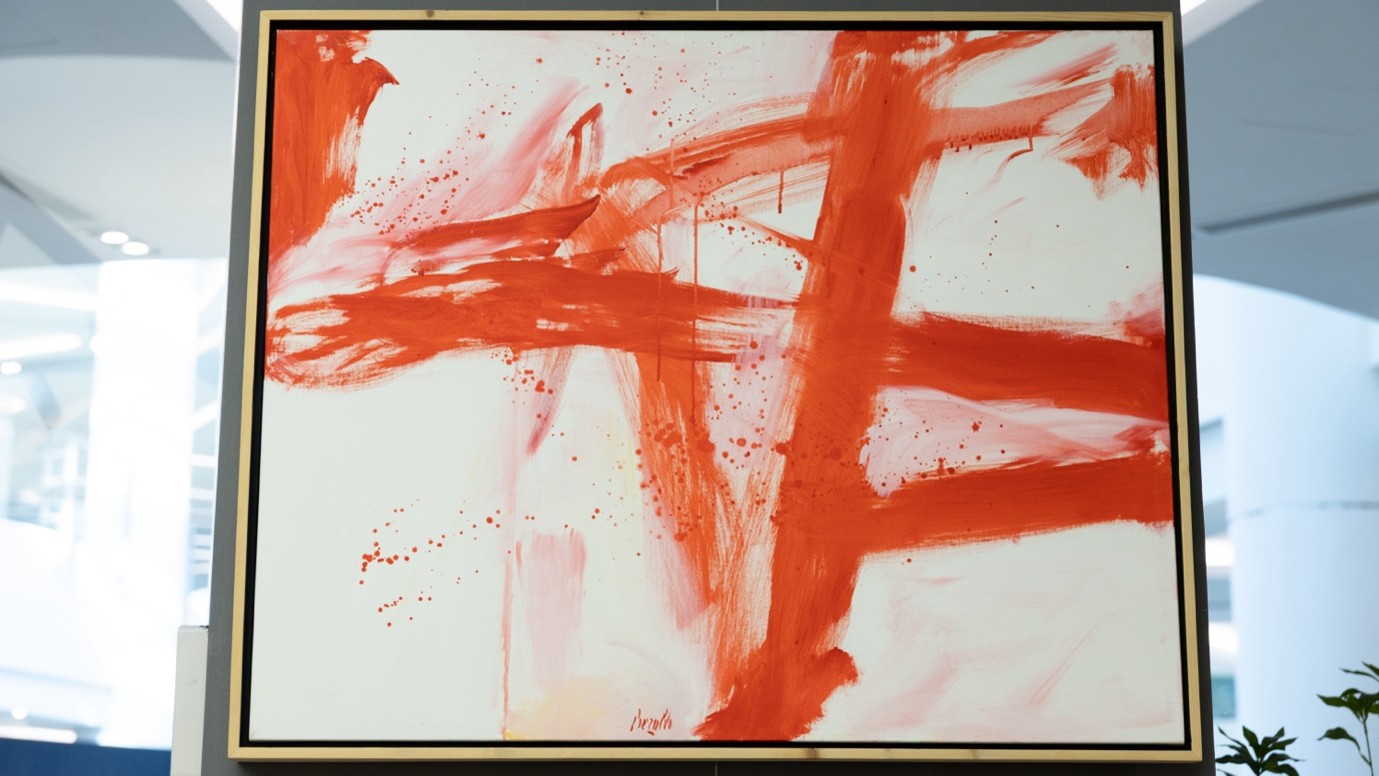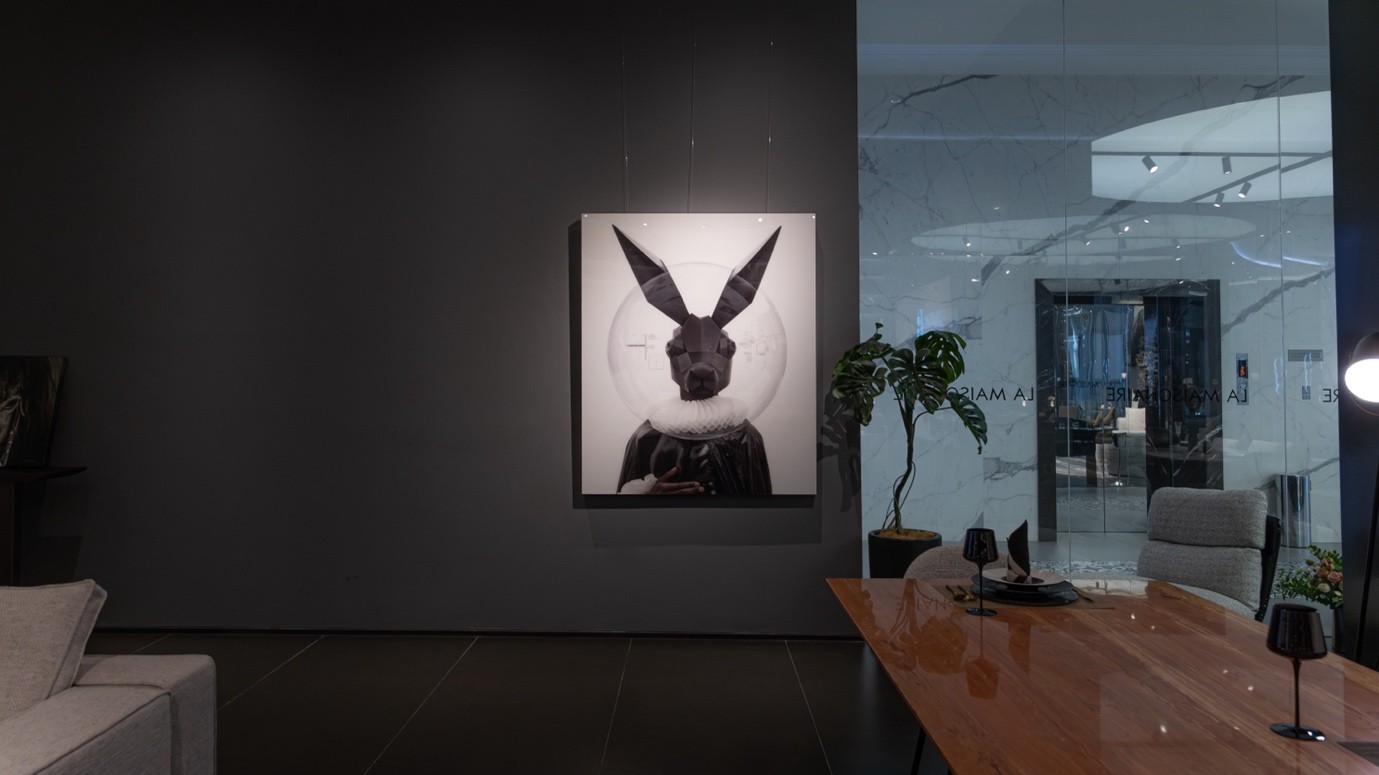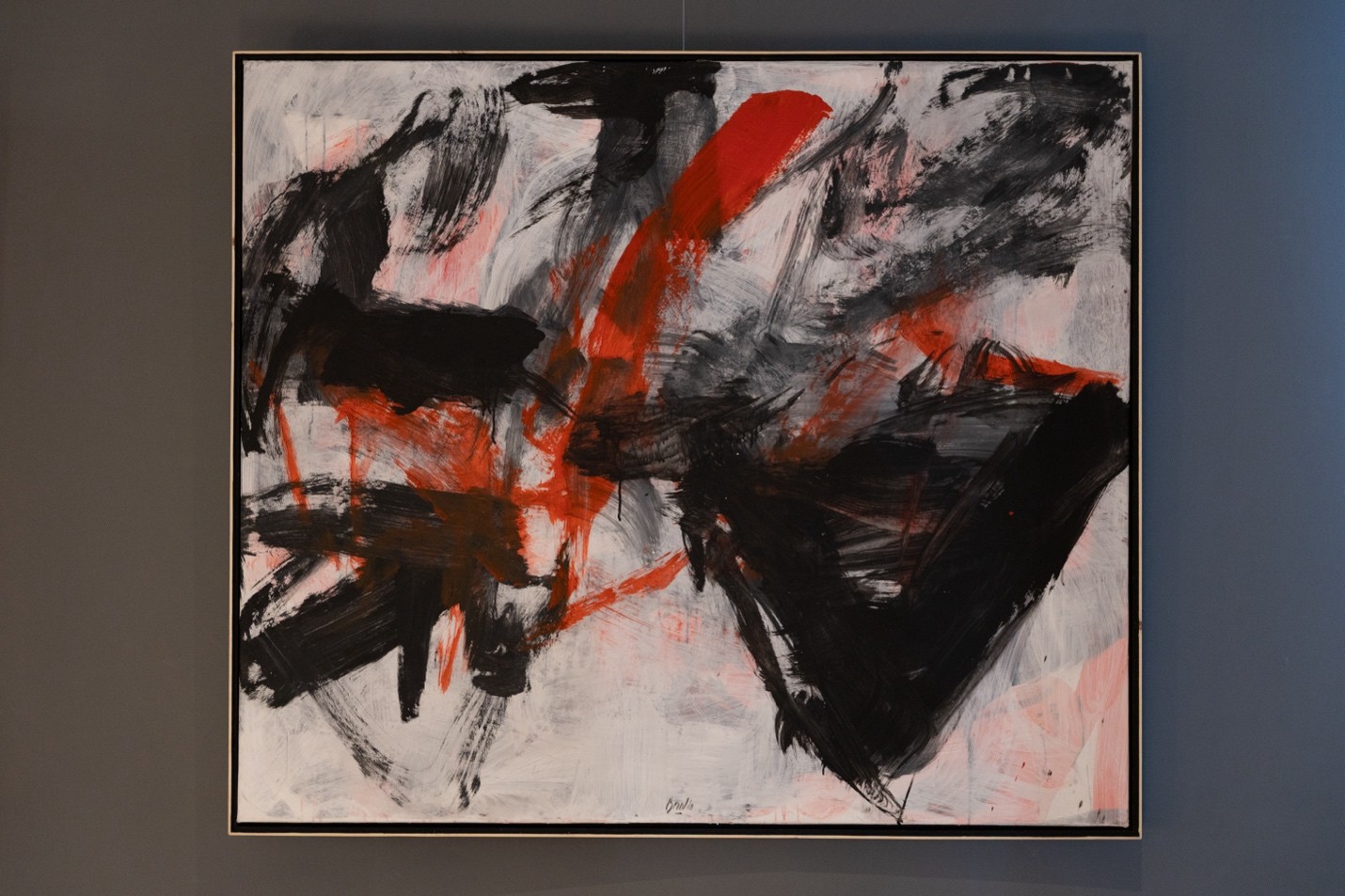
What is choosing the right size artwork? Is it just getting a piece you love? Well, no!
Size is an element that determines the perception of visual balance in a room. In that case, if the painting creates an impact in art gallery exhibitions, it may fail to create the same impact on your wall. If that wall is bigger than needed, they instantly lose their charm. And if it’s smaller, paintings appear overwhelming.
So, do consider your wall size, furniture placement, and available space around you when buying one.
But why does artwork size really matter in the first place?
Why Artwork Size Matters More Than You Think?
The size of artworks has a direct influence on a room’s look and feel. This is because it creates an imbalance in the visual aspect of the room. At the same time, large paintings can result in visual heaviness in the room.
Only the right-sized artworks can achieve the perfect visual balance and become an inseparable part of a room’s interior. Size also determines where viewers’ attention moves to. For example, a big-sized piece can work as a focal point in the room. But a small piece is better as part of complete collections.
So, this is why right-sized artworks are essential for creating a well-organized and thoughtfully created space.
Start with the Wall, Not the Painting
Start planning – but not by exploring paintings, from the very wall you want to display it on. Measure the height and width of it and consider how much area the artwork should cover.
You can easily hang bigger pieces on large, empty walls. But for narrow areas, you will need smaller paintings or groups arranged carefully. Similarly, whether you want to place the painting above a sofa, bed, or desk also matters.
A painting’s dimensions should always be well-matched with the furniture piece beneath it, rather than positioned randomly. Besides, how art gallery exhibitions keep enough wall space around displayed paintings to keep them from appearing cramped is also commendable.
Such art gallery exhibitions clearly show how different paintings interact with their surroundings. Overall, with a proper measurement of the wall, your search becomes narrower. And you get to select an artwork that complements the available space more easily.
Choosing the Right Artwork Size for Different Spaces
From available wall space to overall proportion, the right size of an artwork depends on many factors. So, let’s have a closer look at which artwork sizes are suitable for different home areas.
Living Room
Have you ever noticed that living areas generally have larger spaces? Often above sofas and consoles? A big painting in this area forms a focal point in the room. Medium-sized paintings can also work well if the area is a bit compact.
In case the artwork needs to be placed above a sofa, make sure it matches the sofa’s width. Because excessive empty spaces randomly left on either side won’t look good. Besides, multiple art pieces can also look good when transformed into a gallery wall with neatly arranged pieces.
Bedroom
Bedroom artworks should be proportionate to the bed and other existing furniture. For a balanced arrangement, you can keep a horizontal painting above the headboard. However, if you would like the look to have more structure, then you would require two or three smaller items.
Now, if your bedroom is rather large, you can afford bigger statement items. However, medium-sized items look just as good in small spaces. Generally, in bedrooms, people get to experience paintings from closer ranges. Therefore, detailed art pieces are much more suitable in such spaces.
Dining Room
In the dining room, you will need an artwork that complements your dining tables. A horizontal painting can be placed here as well. But make sure it’s placed either beside or behind the table. However, you should also know that paintings replicating the dining table’s shape work best in these rooms.
However, don’t go for oversized paintings that can make your dining space look smaller. You also don’t need artworks that are too dominant for your dining space. If your dining area is smaller, you need a medium-sized painting or a smaller and coordinated pair of it.
Office or Workspace
Office artworks should be well-aligned with the working environment. They should also reveal the identity and mood of the brand. However, that doesn’t mean required spaces for monitors and shelves will be covered.
Bigger office spaces can elegantly carry larger statement works. And medium-sized pieces also create visual interest in smaller spaces. But for that much appeal, you need to determine the viewing height depending on the positions of seating. Another thing is, the artwork should be clearly visible from the primary working position.
How Art Gallery Exhibitions Help You Visualize Scale Before Buying?
It’s quite difficult to judge artworks’ dimensions from screens or photographs. But in a gallery, you can experience the artworks in their original size and understand how much space they occupy. Other than that, comparing different dimensions, exploring framings, and checking their visual presence becomes more convenient.
This is why any art exhibition in Al Barsha 2, Dubai is a true opportunity to explore artworks in their true forms. By experiencing art pieces in reputed galleries like 971 Art Gallery, picking up pieces perfectly sized for their intended spaces becomes easier.
Common Artwork Sizing Mistakes to Avoid
Even if you install the most beautiful artwork of all time in your room, it can look out of place if its size doesn’t match the furniture and viewing conditions. So, while choosing an artwork, stay away from these mistakes.
- Picking Incorrect Scale: An artwork might look striking on a gallery wall. But in smaller rooms, it can turn out overwhelming and misplace its relevance on wide walls.
- Ignoring Furniture: Artworks set above a furniture piece that can’t relate to it create a visual imbalance.
- Overcrowding the Wall: Covering each inch of a wall with paintings makes the room feel small with no to little visual breathing space.
- Setting Identical Propositions Everywhere: Different wall arrangements and rooms want different art orientations depending on their own shapes, sizes, and positions.
- Ignoring Viewing Conditions: Artworks should always be selected only after considering aspects like viewing distance, lighting, and more.
Let the Artwork and the Space Work Together
When placed correctly, artwork creates a connection with its surroundings. So, you can’t ignore aspects like the room’s proportion or existing furniture if you want proper placement. It’s because no artwork should compete with its key features.
In this regard, visiting an art exhibition will help you a lot. You will develop an eye for size and visual balance. And this is the only way to understand how different works relate to their surroundings.
Overall, when an artwork is properly placed, it doesn’t look like a standalone piece, but an inseparable part of the entire room.
Final Thoughts
Right-sized artworks can change the look and feel of a room. This can happen for you too if you choose a painting considering your wall measurements, existing furniture, and room size. Besides, try to avoid the common mistakes mentioned above. And then, regular visits to art gallery exhibitions will give you a better sense of scale. This way, you can easily select artwork most suitable for your space.